





車用

由 TT Electronics 提供圖像






LDO 及直流/直流轉換器







DSC 及 EEPROM


Featured Products




精選資源、應用說明和白皮書。
Yageo
Eletronics
Panasonic
Wurth Elektronik
Infineon

航太
Avonics
- 瀏覽我們的元件產品組合,滿足您在於導航、資料和感測的需求
連接器
- 儀表板、螢幕、影音系統、頭枕單元、車載資通系統及其他產品
Featured Products

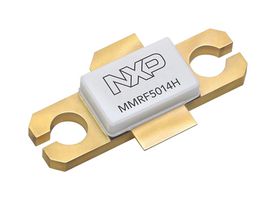


精選資源、應用說明和白皮書。
Featured Content

Exploring GMSL Technology and Its Role in Automotive Camera Systems
Connectivity is crucial in making today's vehicles more comfortable and safer. Even though previous applications have focused on location-based.

WiFi 6: The next generation connectivity for the automotive industry
Connectivity is crucial in making today's vehicles more comfortable and safer. Even though previous applications have focused on location-based.
Article

AI and IoT: The future of intelligent transportation systems
This article delves into the future of Intelligent Transportation System using ML to improve traffic efficiency and commuter comfort.
How-to

How to Future-Proof your Vehicle: Upgrading using a 5G connectivity
Discover how 5G technology is transforming the automotive industry. Understand and explore the impact of 5G on connected cars, from enhanced security to real-time communication, and how the future of 5G integration is changing tomorrow's cars.
Blog

Why precision battery monitoring is the backbone of every modern EV
Precision battery monitoring is critical to EV performance, safety, and lifespan. Learn how advanced BMS ICs enable accurate SoC and SoH tracking.
Article

BMS and ESS explained: Powering the future of commercial transport
Explore how advanced BMS and ESS technologies power efficient, safe, and scalable electric commercial transport for a sustainable future.
Article

The Future of Vehicle-to-Vehicle Communication with Sub-Ghz
Discover the world of vehicle-to-vehicle communication (V2V) and its importance in the automotive industry.

Current Market and Technological Developments in Automotive Traction Inverter Systems
Explore how carbon neutrality, tighter environmental rules, and technology drive automotive electrification worldwide. With falling battery costs and tighter GHG standards, the xEV market will increase, initially driven by hybrid vehicles and then independently after 2025.


技術







更多資源
計算機和換算圖表
選擇指南 & 目錄
基礎學習單元
設計資源
工程詞彙
技術支援
Parts Finder Tools
